
Category
Parents
Articles and reviews in Parents.
173 articles

The Hidden Problem With AI Reading Feedback
Your child finishes reading a passage aloud to a tablet, and a cheerful message appears. Ninety-eight percent accuracy. Great job. It feels like proof that…

Why Some Children Learn to Read Earlier Than Others
In any kindergarten classroom, one child is already reading chapter books while another is still working out that letters make sounds. Both can be completely…

How AI Listening Technology Works in Reading Apps
Some reading apps do something that feels almost magical. Your child reads a sentence aloud, and the app instantly shows which words they nailed and which…

The Skills Children Need Before Formal Phonics Instruction
By the time a child sounds out their first word, most of the groundwork is already in place. Reading does not begin with letters on a page. It begins years…

Parents’ Guide to AI-Powered Reading Programs
Your child’s tablet can now do something that sounded like science fiction a few years ago. It can listen to them read aloud, catch the words they miss, and…

AI Reading Tutors vs Human Reading Tutors
An AI reading tutor never sighs, never glances at the clock, and never loses patience at seven on a Tuesday night. For about the price of one coffee a month,…

Can AI Teach Phonics Better Than Apps?
Search “learn to read” in the App Store right now and you will get hundreds of results, most of them describing themselves as “AI-powered.” Jolly Phonics,…

Best AI Reading Tutors for Kids: A Parent and Teacher Guide
What if every child had access to a patient, one-on-one reading tutor who never lost their place, never got tired, and adjusted instruction within seconds…

Using YouTube for Phonics Practice: The Good, the Bad, and the Useless
YouTube has more than 500 hours of video uploaded every minute. Somewhere in that flood of content are genuinely useful phonics resources for your child, and…
How Long Does It Take a Child to Complete a Phonics Program?
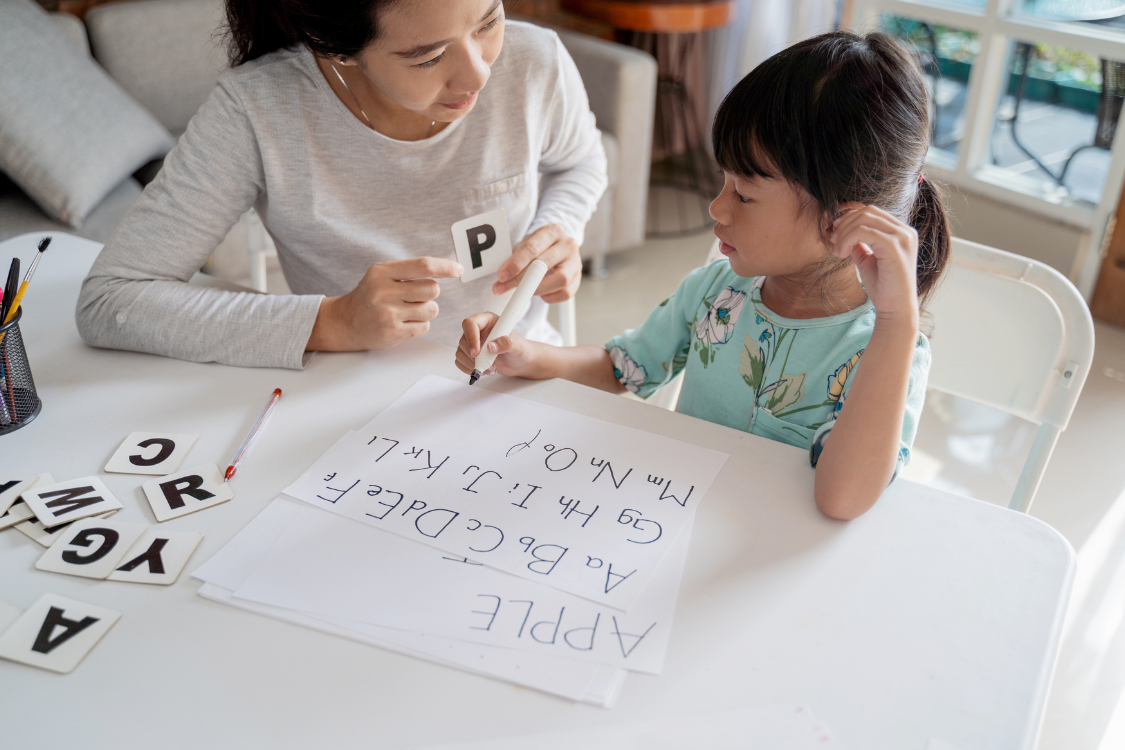
Parents starting a phonics program often want to know one thing: how long is this going to take? It is a reasonable question, and the honest answer is that it…

What Structured Literacy Certification Means
The phrase “structured literacy certified” is showing up everywhere right now: on tutoring profiles, school websites, reading intervention programs, and…

How to Evaluate Your Child’s School Phonics Program
Most parents trust that their child’s school is using a good reading program. That trust is reasonable, but it is not always warranted. According to the 2024…
Phonics Manipulatives That Beat Any Screen
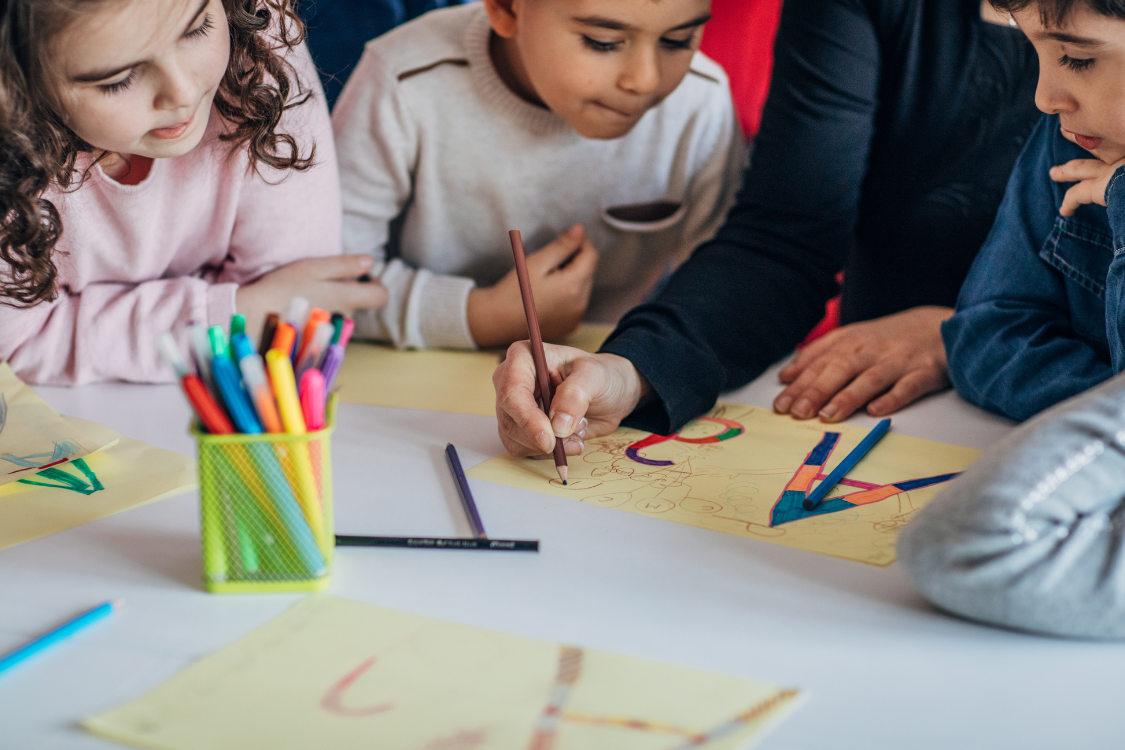
A set of letter tiles. A tray of sand. A stack of index cards. None of these cost much, and none of them require charging. Yet when used with intention inside…

What to Look for in a Phonics App Before You Download
There are thousands of phonics and reading apps available for kids right now, and most of them look convincing. Bright colors, animated characters, cheerful…

Audiobooks and Phonics: Helpful Supplement or Decoding Shortcut?
Ask a room full of parents whether audiobooks “count” as reading, and you’ll get a sharply divided answer. Some swear by them as the thing that finally got…

AI Tutoring Apps and Phonics: Promising or Problematic?
AI-powered reading tools have moved from novelty to a common fixture in classrooms. By 2026, adaptive phonics apps and AI reading tutors are in widespread use…

Science of Reading Legislation: A State-by-State Overview
Over the past five years, 42 states and the District of Columbia have passed laws or adopted policies requiring schools to teach reading using evidence-based,…

Dyslexia Myths That Are Still Hurting Kids
If misinformation about dyslexia were harmless, this article wouldn’t need to exist. But the myths still circulating in schools, pediatric offices, and even…

The Dyslexia-Phonics Connection: Why Structured Literacy Is Non-Negotiable
If you’re reading this because something feels off with your child’s reading, trust that instinct. Roughly one in five kids in any classroom shows signs of…

IEP Goals and Phonics: What to Ask For and Why
If you’ve already sat through an IEP meeting and walked out feeling like the reading goals were soft, vague, or weirdly disconnected from what your child…

How To Use Phoneme-Grapheme Mapping at Home
When your child writes “sip” instead of “ship,” they’re not making a careless mistake. They’re missing a small but important skill. They haven’t yet learned…

Sight Words and Phonics: Friends, Not Enemies
If you’ve spent any time in early literacy circles, you’ve probably noticed something strange: people argue about sight words. One camp says memorizing sight…
Word Sorting: The Low-Tech Phonics Strategy with Big Results
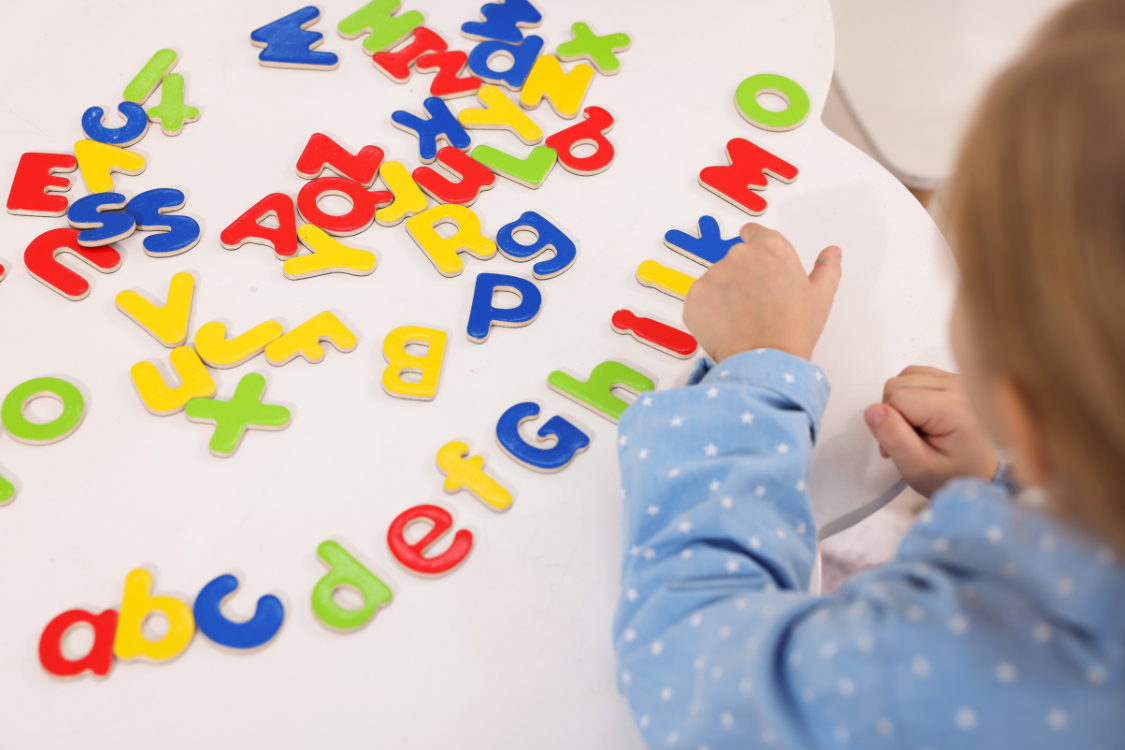
Among kindergarten teachers, word sorting holds a quiet kind of reverence. It asks for nothing more than a small pile of word cards and a child willing to look…

Dictation as a Phonics Tool: Why Writing Reinforces Reading
Most parents and teachers think of reading and writing as separate skills taught at different times of day. Reading comes first, the thinking goes, and writing…

Decodable vs. Leveled Readers: Which Belongs in Your Child’s Hands
Walk into any kindergarten classroom, and you will see two very different books being handed to children learning to read. One says, “Sam can tap. Sam can…

Cumulative Review in Phonics: The Strategy Most Programs Skip
When a child learns the short /a/ sound on Monday, blends CVC words on Tuesday, tackles digraphs on Wednesday, and then never returns to short /a/ again,…

Phonics Scope and Sequence: What It Is and Why It Matters
Imagine handing a child a jigsaw puzzle with no picture on the box and no guidance about where to begin. A few kids might figure it out eventually, but most…

How to Structure a Phonics Lesson From Start to Finish
Here’s something that might surprise you: the order of a phonics lesson matters almost as much as the content inside it. A child who sits down for 20 minutes…

Progress Monitoring in Phonics: What Parents Should Be Asking Schools
Most parents only hear about reading problems when it’s already late in the game. A vague comment at a parent-teacher conference, a worrying score on a state…

Small Group Phonics Instruction: How to Make It Work
Walk into any effective elementary classroom during literacy time, and you’ll likely see something that looks a bit like organized chaos. A teacher works…

What a Good Phonics Screener Actually Measures
If your child’s school sent home a note about an upcoming “phonics screener,” you might have felt a flash of worry. Is it a test? Will my child pass or fail?…

Red Flags vs. Normal Variation: How to Tell If Your Child Needs Help
Here’s something most parents don’t realize: Two five-year-olds sitting side by side in the same kindergarten classroom can be months apart in their reading…
Why Decodable Books Matter More Than You Think
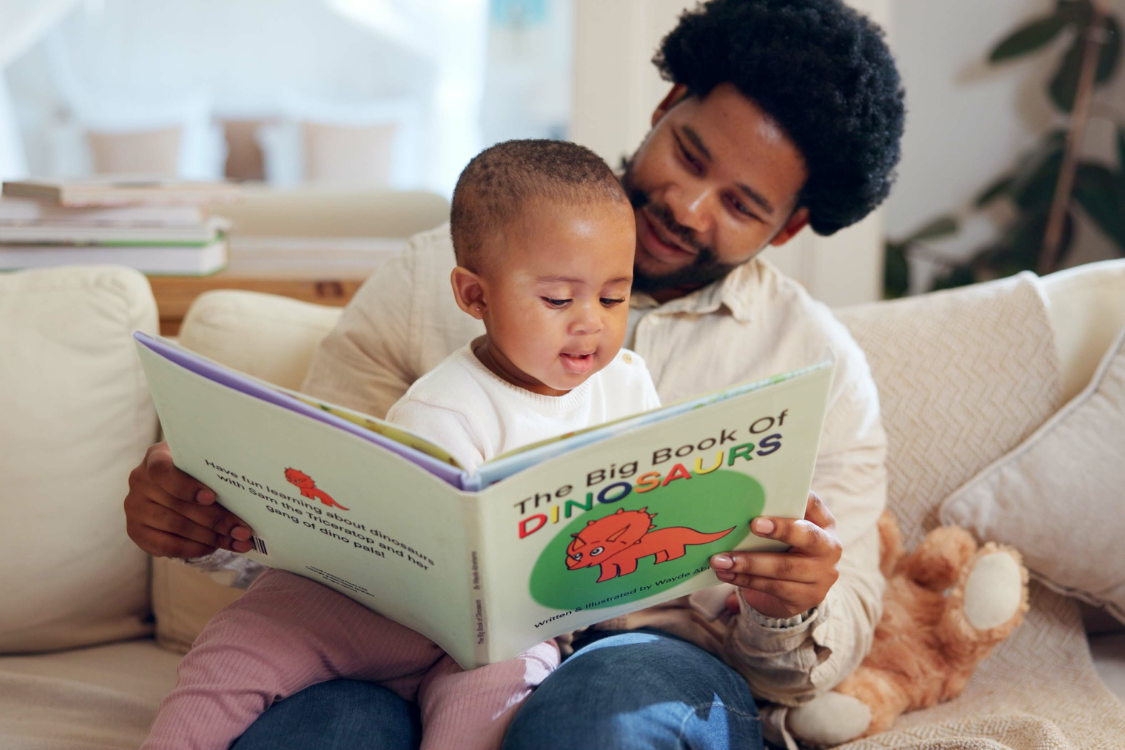
Your child has been learning letter sounds for weeks. They can tell you that “s” says /s/ and “a” says /a/ and “t” says /t/. Then you hand them a picture book…
The Alphabetic Principle: The One Concept That Changes Everything for Both Teachers and Parents
Right now, you’re reading these words without thinking about how you’re doing it. Your brain is instantly converting letters into sounds and sounds into…

Fluency Is Not a Bonus Skill: Why Reading Rate and Accuracy Matter
Most parents celebrate when their child can sound out words on a page. That’s a huge milestone. But here’s what often gets overlooked: decoding is not the…

Adopted Children and Phonics: Addressing Gaps from Disrupted Early Language Exposure
Before a child ever sees a letter on a page, their brain is already building the architecture for reading. It happens through thousands of hours of being…

Phonics for Students with Visual Processing Difficulties
Your child passed the eye exam with flying colors, but they still mix up “b” and “d,” lose their place on the page, and get frustrated every time they sit down…

Multilingual Learners at Home: Phonics When English Is the Second Language
Your family speaks Spanish at home, but your child is learning to read in English at school. Or perhaps your household runs on Mandarin, Arabic, or Somali, and…
Teaching Phonics to Students with Hearing Loss
Most people assume phonics and hearing loss don’t belong in the same sentence. After all, phonics is about sounds, and hearing loss means limited access to…

Phonics for Late Talkers: When Speech Delays Affect Reading Readiness
Your toddler points at the dog, lights up with excitement, but stays silent. Meanwhile, the child next door is already stringing sentences together. If this…

First Grade Phonics: When to Move Beyond Basics
There’s a moment that many first-grade parents describe with the same kind of wonder, the moment their child picks up a book and just… reads it. Not perfectly,…

Phonics Catch-Up for Third Graders: Intensive Intervention Strategies
There is a well-documented shift that occurs around third grade, which literacy researchers have studied for decades. In the early grades, children are…

Preschool Phonics: What’s Developmentally Appropriate?
Here’s something that surprises many parents: phonics learning doesn’t begin in kindergarten. It begins in the bathtub. It begins in the car. It begins every…

Kindergarten Phonics Pacing: Month-by-Month Expectations
If you’ve ever sat at a kindergarten pickup wondering whether your child is keeping pace with their classmates, you’re not alone. Phonics progress in…

Parent Pushback: Addressing Concerns About Phonics Instruction
You’ve just announced that your school is implementing a new systematic phonics program. You expect relief. After all, reading scores have been declining, and…

Why Most Teachers Weren’t Taught to Teach Phonics
If you’re a parent whose child is struggling to read, you might wonder why their teacher seems uncertain about phonics instruction. It’s a fair question, and…

Right to Read Laws: What Parents and Educators Need to Know
The Right to Read Act, introduced in Congress, is an effort by lawmakers to address gaps in literacy instruction and library access. While legislation always…

Teaching Phonics to Specialized Populations: Adapting Instruction for Every Learner
Your third grader still struggles to decode simple words. Your English language learner confuses similar sounds. Your high schooler avoids reading aloud at all…

Digital Phonics Games: Which Ones Actually Follow Science?
You’re scrolling through educational apps at 10 PM, reading glowing reviews and watching demo videos of animated characters celebrating correct answers. This…

Screen Time vs. Sound Time: The Phonics Balance
It’s 6:30 PM on a Tuesday. Dinner’s cooking, work emails are piling up, and your five-year-old is restless. You hand over the tablet loaded with that phonics…

Systematic Phonics for Homeschoolers: Building Readers Step by Step
Your kindergartener knows the alphabet song by heart. She can identify most letters when you point to them. She’s even started recognizing her name in print.…
Teaching Phonics to Students with Down Syndrome
Imagine it: a child with Down syndrome proudly reading their favorite book aloud, pointing to each word with growing confidence. This isn’t just a hopeful…

Gamification in Phonics: What Motivates Students?
Your kindergartener rushes to the tablet each morning, eager to earn more badges in their phonics app. Two months later, they barely glance at it. What…

Morphophonemic Awareness: The Missing Link in Upper Elementary
Your fourth grader breezes through simple stories but stumbles over science textbooks. She can decode “cat” and “jump” perfectly, but falls apart when facing…

Memory and Phonics: Why Some Kids Forget Letter Sounds
Your child confidently identifies the letter M on Monday. By Wednesday, they stare at the same letter as if they’ve never seen it before. You wonder if you’re…

Organizing Your Home Reading Space for the New Year
January brings fresh energy and clean slates. You’ve organized closets, cleared out old toys, and maybe even tackled that junk drawer. But have you looked at…

Setting Realistic Phonics Milestones for Your Child
New Year’s resolutions aren’t just for adults. January offers the perfect opportunity to set meaningful reading goals for your child. The key isn’t setting…

Why January is the Perfect Time to Start Phonics Intervention
The new year brings more than just resolutions and fresh calendars. For parents of struggling readers, January offers a strategic window of opportunity that is…

Starting a New Year Reading Ritual That Supports Phonics Growth
Family literacy traditions work because they remove the daily negotiation. When reading becomes “what we do on Sundays” or “how we start each month,” children…

Keeping Phonics Skills Sharp During School Holidays
Many parents watch their children’s hard-won phonics skills fade during extended school holidays, but it doesn’t have to be this way. The good news? Keeping…

Building Phonics Skills Through Winter Traditions
Your child watches snowflakes drift past the window, clutching a mug of warm apple cider. The holiday lights glow softly in the corner. A stack of books waits…

Hanukkah Books That Support Early Reading Skills
The menorah glows on the kitchen counter. Your preschooler watches the first candle flicker and asks, “Can we read a Hanukkah story?” You reach for a colorful…
New Year’s Stories That Build Reading Skills
New Year’s brings fresh starts, new goals, and celebrations around the world. You pull out a stack of colorful books. Each one exploring different traditions…

Matching Books to Phonics Features
You open a picture book with your four-year-old. The words dance across the page in predictable patterns. Your child giggles at silly animal sounds, then…

Christmas Books For Reading Practice
Your child snuggles beside you on a cold December evening, eyes bright with anticipation as you open a holiday book. The pages smell like fresh print and…

Holiday Books With Good Phonics Practice: 10 Festive Reads for Emerging Readers
The twinkling lights are up, cookies are baking, and your eager young reader wants to dive into every holiday book on the shelf. But here’s the wonderful…

Twice-Exceptional Readers: Phonics for Gifted Students with Dyslexia
Picture a seven-year-old who can explain the water cycle in stunning detail, design elaborate engineering projects with building blocks, and engage in…
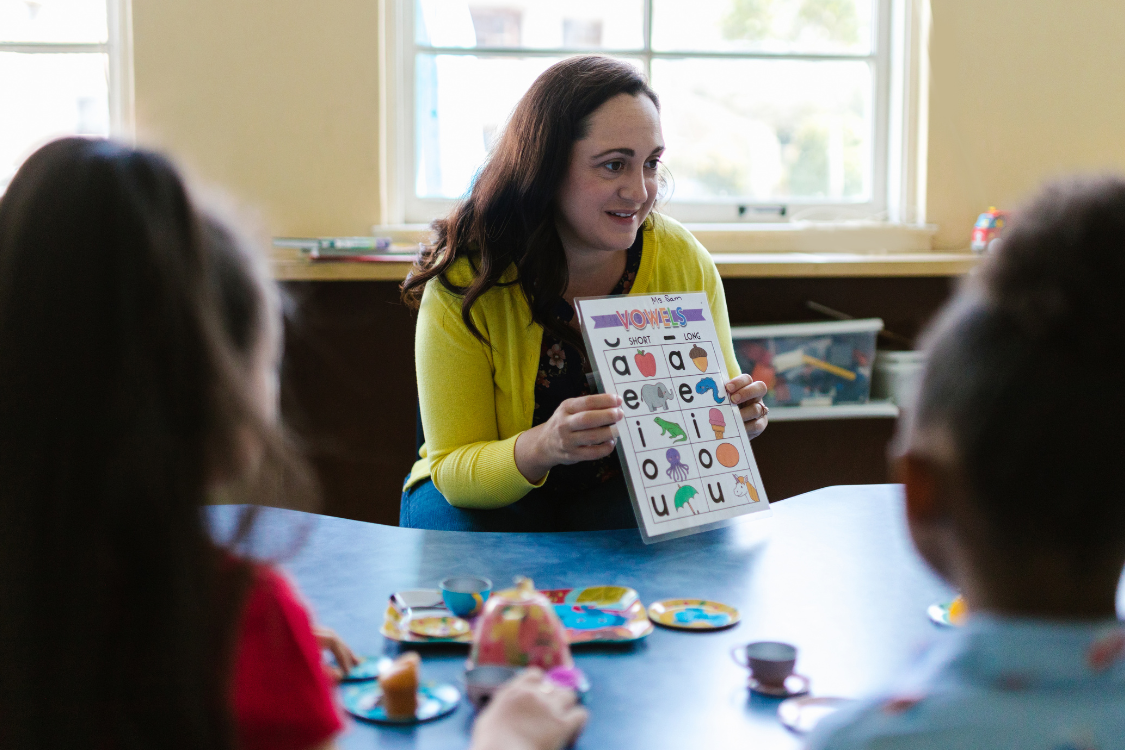
Phonics Professional Development: Programs That Actually Work
Rachel teaches first grade in a suburban elementary school. Last year, she watched five of her students struggle through every reading lesson while their…

Homeschool Phonics: Choosing and Implementing Programs
You open the package with equal parts excitement and dread. Inside sits your investment in your child’s reading future: workbooks, lesson plans, manipulatives,…

Letter Reversals: Normal Development or Red Flag?
Your kindergartener writes “doy” instead of “boy.” Your first grader reads “was” as “saw.” The letters b and d seem interchangeable in their writing. You…

Phonics Plateau: Why Some Students Stop Progressing
Your child was making steady progress. Each week brought new letter sounds, longer words, and growing confidence. Then suddenly, nothing. The forward momentum…

Can Word Games Like Bookworm Support Literacy Development?
Your child loves playing Bookworm on your tablet. They’re making long words and racking up points. You’re wondering: Is this actually helping them learn to…

Reading Mastery vs. Saxon Phonics: Which Delivers Better Results?
Imagine two classrooms down the hall from each other. Same grade level, similar student demographics, but strikingly different reading outcomes by mid-year.…
Phonics and Speech Delays: When Articulation Affects Decoding
When your child mispronounces words during conversation, you might think it’s adorable—and it often is! But what happens when those same articulation…

ChatGPT for Phonics: Why AI Can’t Replace Systematic Instruction
A frustrated parent sits at the kitchen table with their struggling six-year-old, laptop open to ChatGPT. “Can you help my child learn to read?” they type.…

Why Some Reading Programs Are Abandoning Phonics (And Why That’s Wrong)
Walk into some elementary school classrooms today and you’ll witness a troubling trend. Teachers are putting away phonics workbooks. Reading programs are…

Debunking ‘Natural Reading’: Why Phonics Isn’t Optional
A well-meaning parent watches their 4-year-old “read” their favorite bedtime story word-for-word, flipping pages at just the right moments. The child has…

The 2025 National Reading Panel Update: What’s Changed in Phonics Research?
Has our understanding of phonics instruction changed since the landmark National Reading Panel Report of 2000? What does the latest research tell us about the…

Phonics on a Budget: Free and Low-Cost Resources
You want to give your child the best start in reading, but phonics programs can cost hundreds of dollars. The good news? Some of the most effective phonics…

Back to School: Preschool Book Ideas
Starting preschool is a huge milestone for your little one! One day, they’re home with you, and the next, they’re walking into a classroom full of new friends…

Kindergarten Phonics Skills: What’s Expected?
Your five-year-old just started kindergarten, and suddenly everyone is talking about phonics. You might be wondering what exactly your child should be learning…
Building Phonics Skills Through Cooking, Crafts, and Daily Activities
Have you ever noticed how children can recite entire commercial jingles after hearing them just a few times, yet struggle to remember letter sounds during…

Audiobooks and Phonics: Friend or Foe for Developing Readers?
Your five-year-old sits captivated, listening to a beautifully narrated story about dragons and brave knights. They’re absorbing complex vocabulary, following…

AI Reading Apps: Promise vs. Reality for Phonics Instruction
The latest AI-powered reading app promises to transform your child’s phonics learning with personalized instruction that adapts in real-time. The marketing is…

Homework Battles: Making Phonics Practice Peaceful and Productive
Five-year-old Jake loves learning at school, but the moment his phonics worksheet appears at home, tears begin. Sound familiar? Many families struggle with…

Grandparents as Reading Partners: Simple Phonics Activities for Any Age
When four-year-old Emma visits Grandma Sarah, magic happens. They curl up in the old rocking chair, open a favorite picture book, and suddenly letters…
15-Minute Phonics: Maximum Impact Reading Practice for Busy Families
Between soccer practice, dinner prep, and bedtime routines, finding time for phonics practice can feel impossible. Busy families need realistic routines that…

8 Tips to Prevent Summer Reading Loss
The last day of school arrives with excitement and relief, but lurking beneath the summer fun is a concern that keeps many parents awake at night: Will my…

ADHD and Phonics: How to Maintain Focus During Reading Instruction
Your energetic six-year-old sits down for phonics practice, excited to learn new letter sounds. Within minutes, they’re fidgeting, looking around the room, and…

Phonics Catch-Up: Helping Older Elementary Students Fill the Gaps
When nine-year-old Marcus sits down with his fourth-grade chapter book, he looks confident and ready. But after just a few sentences, frustration creeps across…

Third Grade Reading Crisis: Why This Year Makes or Breaks Literacy
A classroom full of third graders opens their science textbooks, ready to learn about butterflies and volcanoes. But for many eight-year-olds, the words might…

Phonics for Preschoolers: What’s Too Early vs. Just Right?
Your three-year-old walks up to you holding a book, points to the letter ‘M’, and declares, “That’s my letter!” Your heart swells with pride, but then doubt…
When Phonics Progress Stalls: Troubleshooting Common Roadblocks
Your five-year-old was excitedly sounding out simple words just last month, proudly reading “cat” and “dog” with confidence. But suddenly, they’re stuck. New…

Phonological Awareness vs. Phonics
Did you know that before children can successfully crack the reading code, they must first develop the ability to hear and manipulate the invisible sounds that…
Can Worksheets Teach Phonics?
Your child sits at the kitchen table, pencil in hand, dutifully filling in letters on a phonics worksheet while you prepare dinner nearby. They seem focused…
Phonics and Executive Function
Here’s something that might surprise you: when your child sits down to sound out the word “cat,” their brain is performing an intricate dance that involves far…

Systematic vs. Incidental Phonics: Which Approach Gets Kids Reading Faster?
When it comes to teaching children how to read, not all approaches are created equal. Behind classroom doors across America, a quiet battle is taking place…

Essential Phonics Terms Every Parent Should Know
When you start helping your child with reading, you’ll quickly encounter terms that might sound like a foreign language. Understanding these phonics terms will…

Phonics FAQs: Let’s Support Young Readers
As a parent, you probably have questions about phonics and how to support your child’s reading development. These frequently asked questions address the most…

Common Phonics Teaching Mistakes and How to Avoid Them
Sarah thought she was doing everything right. She bought colorful phonics workbooks, downloaded popular reading apps, and spent hours each evening helping her…

Federal Focus on Evidence-Based Reading: What This Means for Your Child’s Education
In a historic shift that could transform how millions of American children learn to read, the U.S. Department of Education has announced that evidence-based…

Teaching Phonics to Children with Hearing Impairments
When five-year-old Maya first entered kindergarten with her hearing aids, her teacher wondered how to help her learn phonics alongside her hearing peers. Like…

Decodable Texts vs. Leveled Readers: Making the Right Choice for Your Child
Did you know that the books your child reads during their early learning years can make or break their reading success? Many parents assume all “beginning…

Phonics Assessment Tools: How to Measure Reading Progress Effectively
The journey to reading proficiency isn’t linear—it’s filled with plateaus, leaps forward, and occasional steps back. This natural variability makes systematic…
Phonics Games for the Classroom: 10 Teacher-Approved Activities
Learning to read shouldn’t feel like a chore. When children associate reading with enjoyment, they’re more likely to develop into lifelong readers who approach…

What is a Phoneme?
Have you ever wondered why your child can recognize the letter ‘B’ but struggles to connect it with the sound it makes? Or why sounding out words like “ship”…

What is Inference? Helping Young Readers Become Critical Thinkers
Your five-year-old is listening to you read “Little Red Riding Hood.” When the wolf appears dressed as Grandma, your child exclaims, “That’s not Grandma! It’s…

What Are Graphic Novels? Connecting Visual Storytelling to Phonics Instruction
Picture this: Your reluctant reader who struggles with phonics suddenly can’t put down a book. They’re engrossed, sounding out words, making predictions, and…

What Are Consonants?
Have you ever watched your child sound out a simple word like “cat” or “jump”? Behind those moments of learning lies a fascinating linguistic structure that…

Nursery Rhymes as Phonics Tools
Did you know that the nursery rhymes you loved as a child could be powerful reading tools? Those catchy, sometimes silly verses that have entertained children…

Vocabulary Development: How Phonics Builds Word Knowledge in Early Readers
The excited squeal of “I know that word!” from your child during storytime. The confident way they incorporate a newly learned term into dinner conversation.…

The Ultimate Master List of Phonics Books: Organized by Reading Skills
Picture this: Your child’s eyes light up as they successfully sound out a word in their favorite storybook. That magical “I did it!” moment happens not because…

Speech Sound Development Chart: What Parents Need to Know
Learning to speak is one of the most remarkable feats of early childhood. As parents, those first babbles and words are magical moments we treasure forever.…

The Wonderful World of Nonsense: Using Jabberwocky to Boost Early Reading Skills
The strange creatures and bizarre vocabulary of The Jabberwocky offer more than just giggles—they provide a unique opportunity to strengthen your child’s…

Silent E Words Help Your Child Master Long Vowel Sounds
Learning to read involves many small steps that build upon each other. Among these important building blocks is understanding the silent e rule – one of the…

Scope and Sequence for Early Reading: Your Guide to Phonics Instruction
Did you know that there’s a scientific roadmap for teaching children to read? Many parents feel lost when their child struggles with reading, not realizing…

Short Vowel Sounds: A Parent’s Guide
A child’s literacy journey begins with learning the fundamental building blocks of reading, and short vowel sounds are among the most critical first steps. As…

What to Do When Reading Skills Regress
Has your child suddenly started struggling with words they used to read with ease? Are they showing less interest in books they once loved? You might be…

Root Word Meaning: Building Vocabulary Through Phonics
Have you ever watched your child struggle with an unfamiliar word, sounding it out letter by letter, only to miss its meaning entirely? While decoding words is…

Building Reading Fluency at Home
Remember that heart-warming moment when your child first recognized their name in print? The excitement in their eyes was undeniable! Now, as they’re sounding…

Reading Comprehension Strategies: Building on Phonics Foundations
Ever watched your child perfectly sound out every word in a story, only to have them stare blankly when you ask what the story was about? You’re not alone.…

Phonics for Kids: Age-Appropriate Activities for Early Readers
Learning to read is one of the most significant milestones in a child’s early development. Behind every confident reader is a foundation of strong phonics…

How Open and Closed Syllables Build Strong Readers
Ever watched a young reader encounter a long, unfamiliar word? They might stare at it, attempt to sound it out letter by letter, or simply skip it entirely.…

Text-to-Speech: Supporting Early Readers Through Assistive Technology
Ever watched a child’s face light up when they finally understand a story that previously seemed like an impossible code to crack? That’s the magic…

Supporting Early Writers: Connecting Phonics to Writing Development
Ever watched a child laboriously sound out each letter as they attempt to spell a word on paper? That concentrated look—tongue slightly protruding, pencil…

Digital vs. Traditional Phonics: What Research Says
If you’re a parent of a child struggling with reading skills, you’ve likely found yourself standing at a crossroads. In one direction lies the familiar path of…

Book Review: “A Bad Case of Stripes”
David Shannon’s vibrant picture book “A Bad Case of Stripes,” tells the whimsical story of Camilla Cream, a young girl who cares too much about what others…

Practical Activities to Build Rhythm and Segmentation Skills
Teaching sound segmentation doesn’t require expensive materials or formal training—just enthusiasm and consistency! The key is to make these activities part of…

Cross-Linguistic Transfer in Reading
Does learning to read in one language help children learn to read in another? The answer is yes! Research shows that many reading skills can transfer between…

Debunking Learning Style Myths: What Parents Need to Know
If you’ve ever heard someone say, “I’m a visual learner” or “My child learns best by doing,” you’re familiar with the concept of learning style myths. While…

Do Occupational Therapists Help with Reading?
If your child’s occupational therapist has suggested they can help with reading challenges, you might be wondering how OT fits into your child’s literacy…

Fun Phonics Learning with Dog Man
The Dog Man series by Dav Pilkey has captured the imagination of young readers worldwide. What many parents might not realize is that these entertaining books…
Developmental Spelling Patterns – Here’s How Kids Learn to Spell
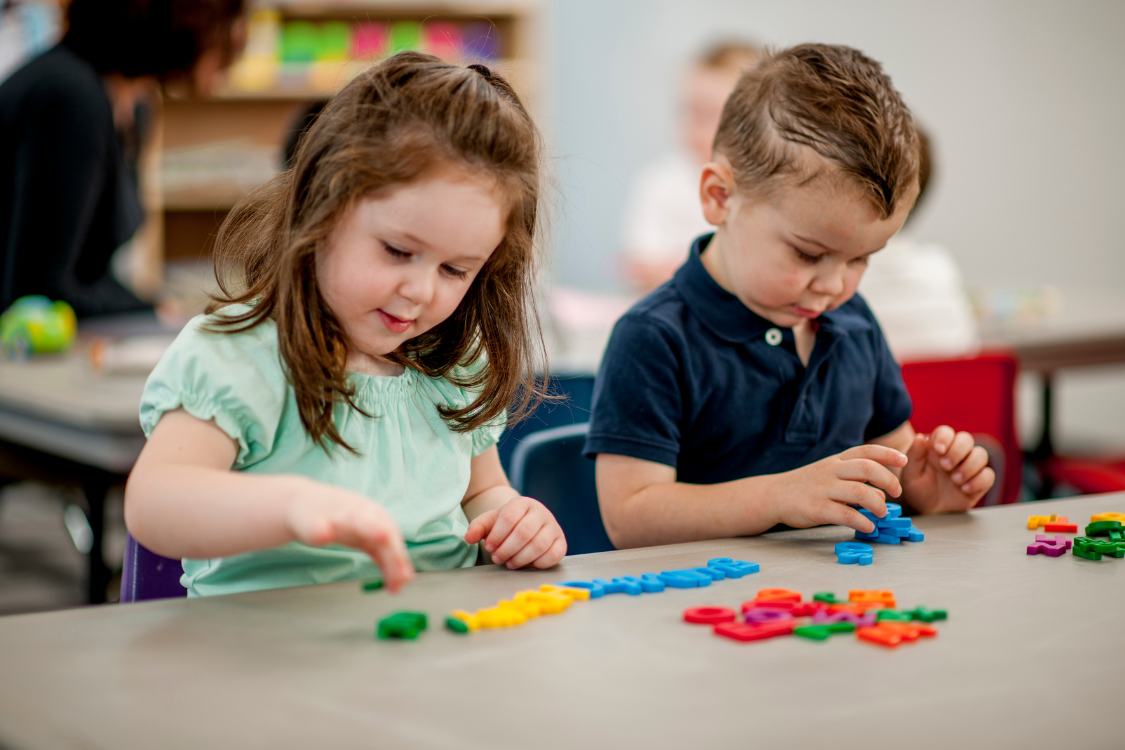
Just as children progress through stages when learning to walk and talk, they also move through distinct developmental phases when learning to spell.…
The Connection Between Phonics and Spelling: Building Both Skills Together
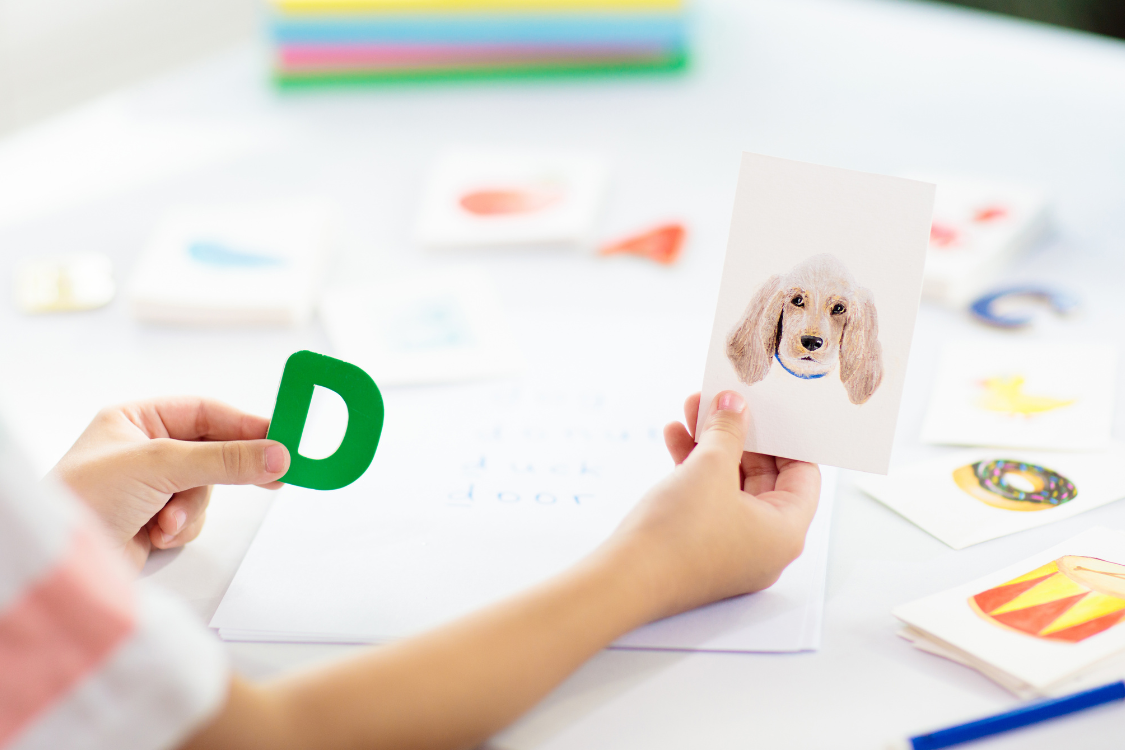
Learning to read and write are two sides of the same coin. While many parents and teachers might focus on phonics and spelling as separate skills, teaching…

What Phonics Rules Should Children Know (By Age)?
Understanding phonics milestones by age helps parents and educators effectively support children’s literacy development. While every child develops at their…

How to Become a Phonics Tutor
Are you passionate about helping children learn to read? Whether you’re a parent who has successfully guided your children through their literacy journey or an…
Silent Letters and Tricky Words
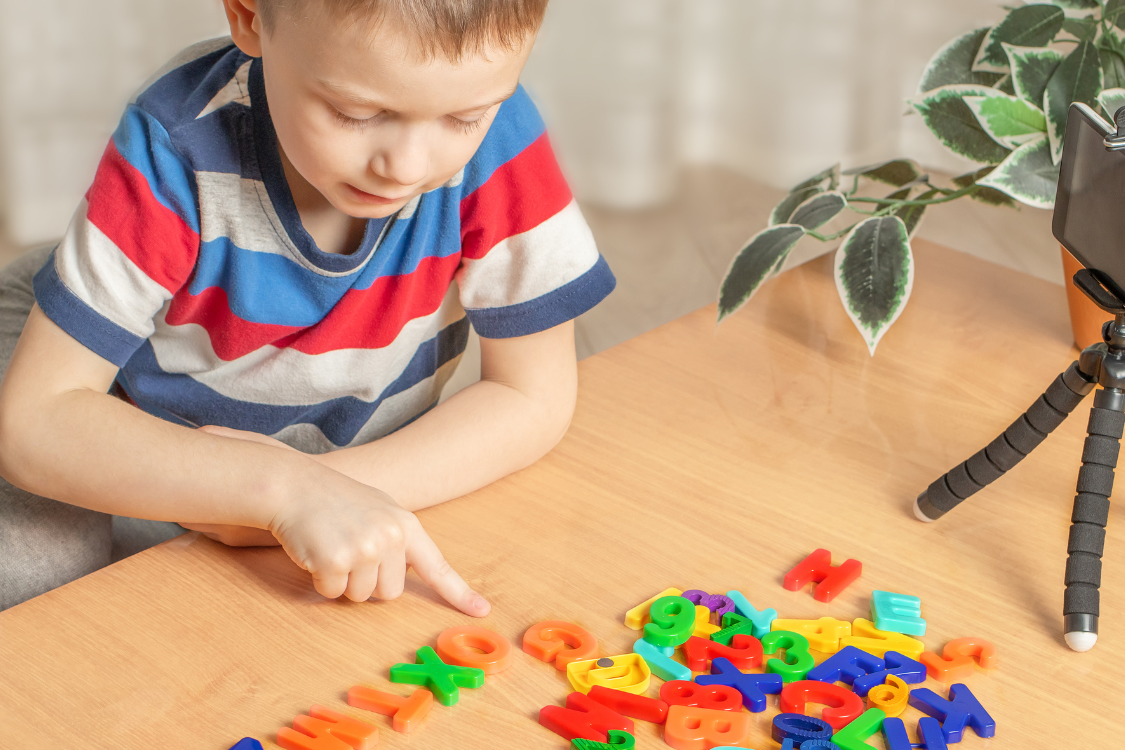
Picture this: Your young reader is confidently sounding out words when they encounter “knife” for the first time. They try their best: “k-n-if-ee?” The…

The Connection Between Movement and Phonics Learning
When young children learn letter sounds through movement – jumping as they say /j/, reaching high for /t/, or bending low for /d/ – they’re not just having…

Bionic Reading: Y/N?
Tech + nature – sounds like the future, right? In recent years, a new reading method has captured attention across social media and educational technology…

Phonics and the Literacy Crisis: America’s Reading Challenge
The statistics are sobering: 66% of American fourth graders are failing to meet proficiency levels in reading, with even more alarming rates among minority…
How Adult Literacy Shapes Children’s Learning
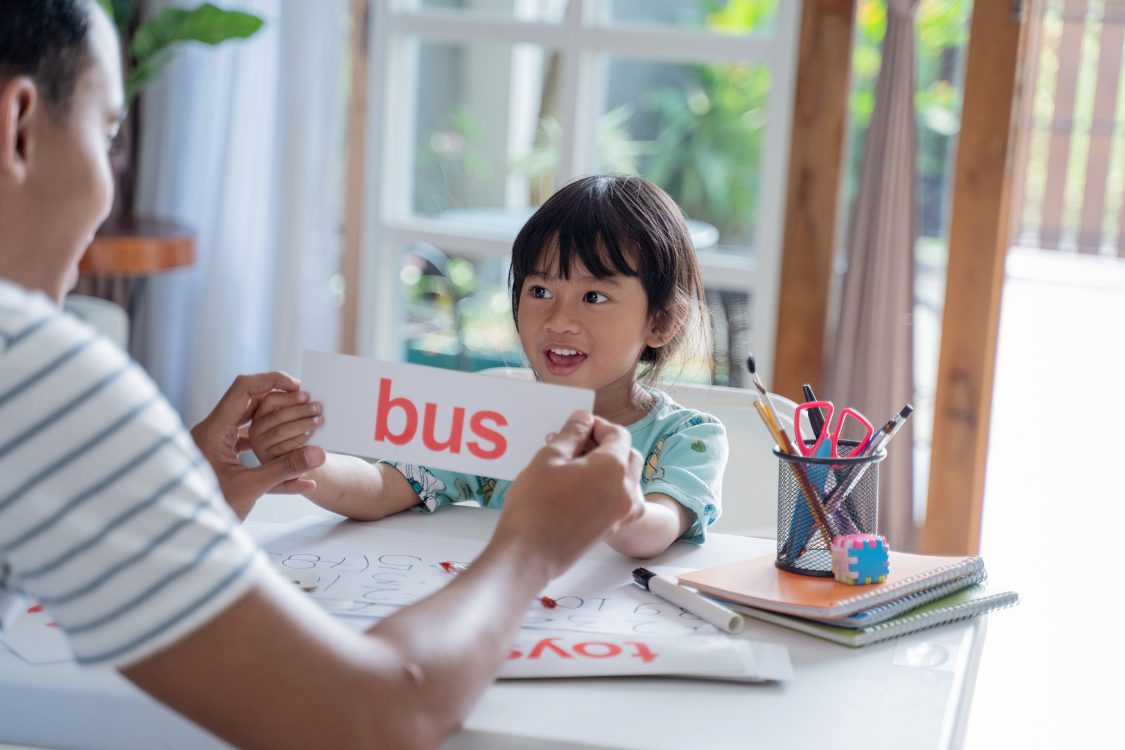
According to the National Center for Education Statistics, 43 million adults in the U.S. read at or below a third-grade level. Low literacy in adults is linked…
Digraphs and Trigraphs: A Parent’s Guide
Is your child starting to read words with letter combinations like ‘sh’ or ‘ch’? Congratulations—you’re entering the exciting world of digraphs and trigraphs!…

How to Find a Phonics Tutor: Tips for Parents
Phonics is a major aspect of your child’s early education. It equips them with the skills they need to read, write, and learn. Foundational skills like…

Phonics and Handwriting: Make It Fun!
Phonics and handwriting are closely intertwined. Because phonics is how children learn to read and write, handwriting is an inevitable skill that learners must…

Fun Phonics Practice Ideas for the Holidays
The holidays are an exciting time for rest and quality time with family. For your little one learning phonics, the holidays are also a good time to keep the…
Literacy Development & Phonics for English Language Learners
English Language Learners (ELLs) face unique challenges when developing literacy skills in a new language. The type of phonics instruction provided to ELL…

Phonics for 3-Year-Olds
Parents play one of the most significant roles in a child’s early literacy development. At the age of three, many children are ready to begin exploring the…
Phonics.org: The Ultimate List of Phonics App Reviews
The Phonics.org team is dedicated to helping parents and teachers navigate the many different phonics apps and programs for kids. Our literacy experts review…
When Do Children Start Writing Sentences?
Learning how to write is a gradual process for children. If you’re a parent of a young student who’s learning phonics, you might wonder if their writing…

Basic Transcription Skills in Spelling and Writing
Transcription skills are a big part of a child’s journey into literacy, playing a crucial role in both reading and writing development. As parents and…

Top 5 Reading Apps for Kids
With so many educational apps available, it can be tricky to figure out which ones are high quality and which apps are merely entertaining. In this article, we…

When Can Kids Write Their Name?
If you’re a parent, you likely anticipate your child’s developmental milestones with awe and excitement. One of the most memorable milestones in a child’s life…

How Does Oral Language Support Children’s Writing?
How Does Oral Language Support Children’s Writing? KW: how does oral language support children’s writing Oral language is an amazing human ability that young…

How to Help Preschoolers Develop Pre-Writing Skills
How to Help Preschoolers Develop Pre-Writing Skills KW: how can you help preschool children develop pre-writing skills Along with early reading concepts, one…

Top 3 Reading Apps to Avoid
Curious about how today’s most popular literacy apps compare? Check out the thorough reviews on cms.phonics.org where literacy experts share their honest…

Simple 10-Minute Phonics Lessons for Busy Parents
If your child is learning phonics, you might be wondering how to help them practice at home. Phonics practice sets the foundation for how future reading skills…

Phonics for EAL: Instruction Methods
As one of the most widely-spoken languages in the world, English continues to be an additional language learned by many. In 2021, more than 10% of public…
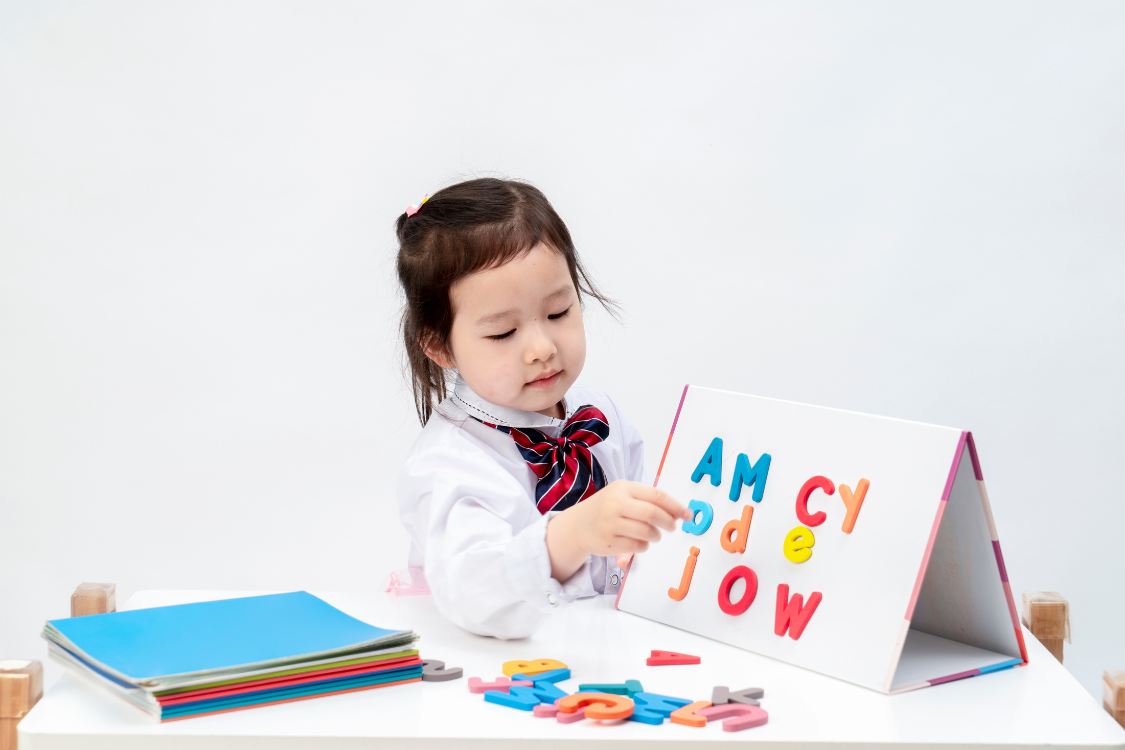
When Should Kids Learn Phonics?
Every parent and educator wants the best outcome for their students. At the beginning of their literacy journeys, children learn phonics: the building blocks…
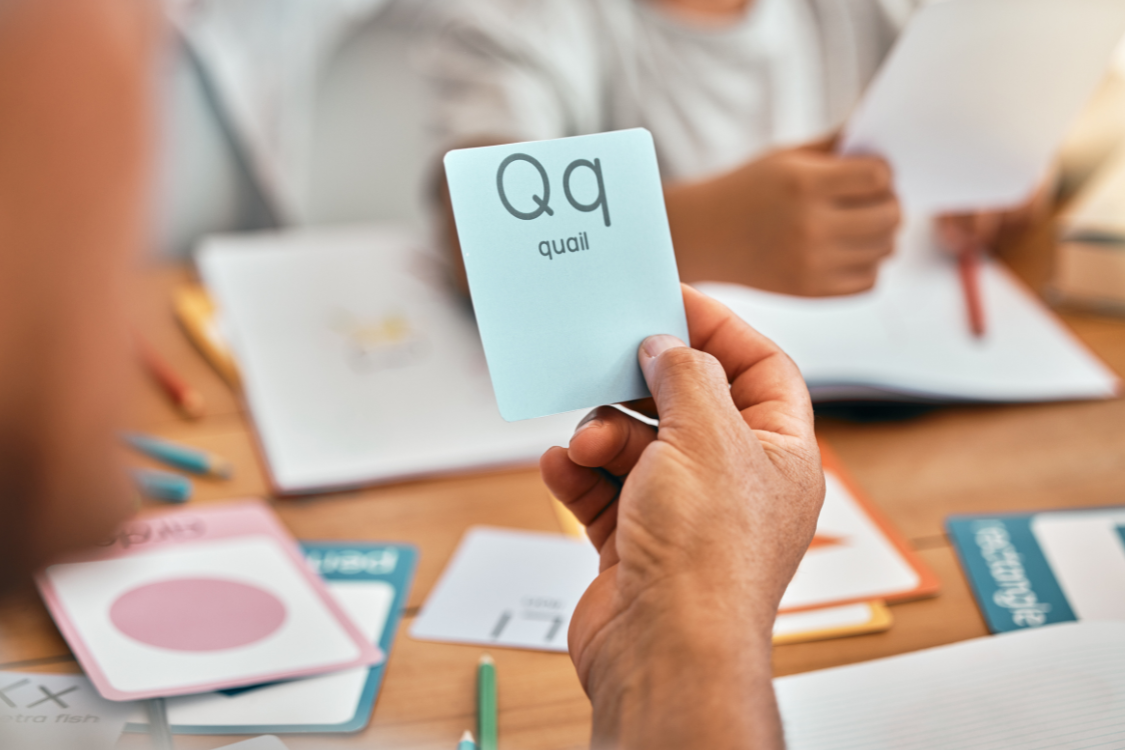
Most Popular Home Phonics Programs for Kids
Phonics instruction sets the stage for your child to thrive as a reader and learner. In early literacy development, children build the necessary skills they…

5 Findings That Prove Words Are Remembered in Phonological Memory
To read fluently, the brain pulls from a large sight word vocabulary that we’ve built over time. Sight words make the reading process easy, automatic, and…

Basic Concepts in Language Development
In language development, basic concepts are words that set the foundation for children’s learning. These words are essential for understanding instructions,…

How to Compare Phonics Reviews and Choose the Best Program
If you’re a teacher or parent of young readers, you’ve likely faced the overwhelming number of educational programs and apps on the market today. How do you…

A Parent’s Guide to the DIBELS Reading Assessment
Reading assessments are essential tools for identifying and addressing reading challenges in children. One assessment known as DIBELS stands out for its…
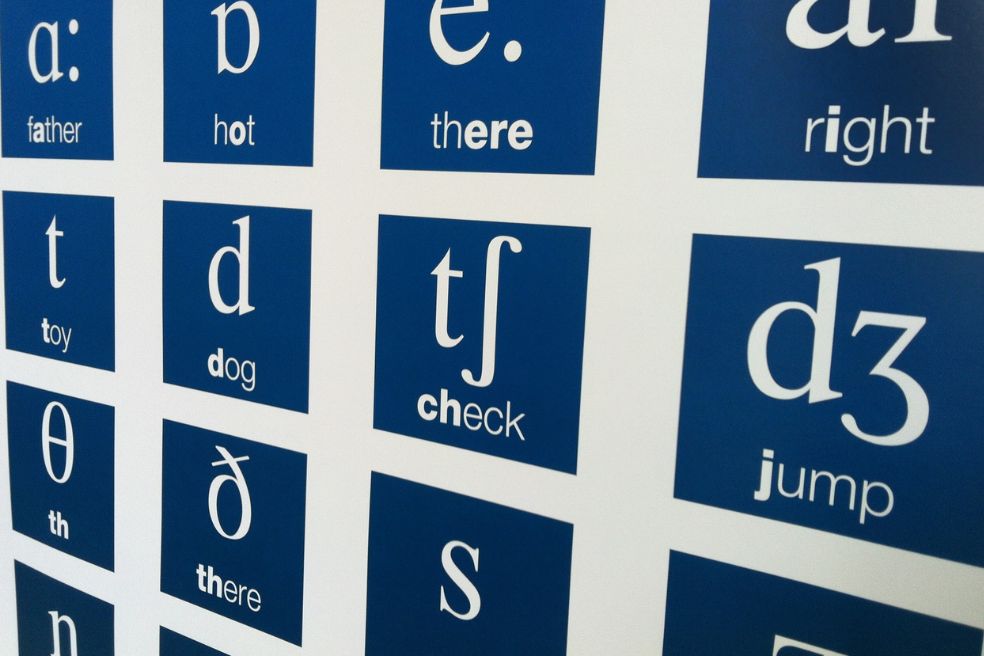
Phonetic Sounds in the English Language
Have you ever wondered why the English language can be so complex? While there are only 26 letters in the English alphabet, there are 44 variations of sounds…
Sight Words vs. High-Frequency Words
During phonics instruction, children learn to sound out or “decode” words. With enough practice, decoding turns into sight word recognition. Sight words are…
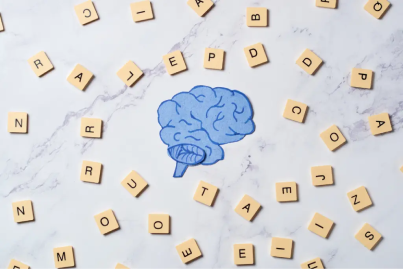
How the Brain Learns to Read
Reading is an advanced skill and a relatively new phenomenon among humans. While literacy is a crucial ability a child must develop to obtain knowledge and…

10 Tips for Parents Teaching Phonics at Home
Teaching phonics to kids is no easy feat. Reading and writing are complex skills that must be explicitly learned, practiced, and mastered over time if children…

Phonics Intervention for Struggling Students
Phonics is a must-have foundation for reading instruction—especially for children just learning to read. Even more importantly, kids struggling to read often…

Common Phonics Mistakes to Avoid When Teaching
Ahhh, phonics instruction. It’s such a special experience in a child’s education! Helping kids learn how to read and write is fascinating, rewarding, and…

Making Phonics Stick: Help Kids Learn Essential Literacy Skills
Sometimes, it seems like no matter how much you practice with your child or student, they aren’t grasping phonics concepts. Maybe you repeatedly teach your…

Fun Phonics Games for Kids: Activities to Try at Home
Kids need to master basic phonics skills before they can become proficient readers. While practice with systematic phonics instruction in the classroom is…
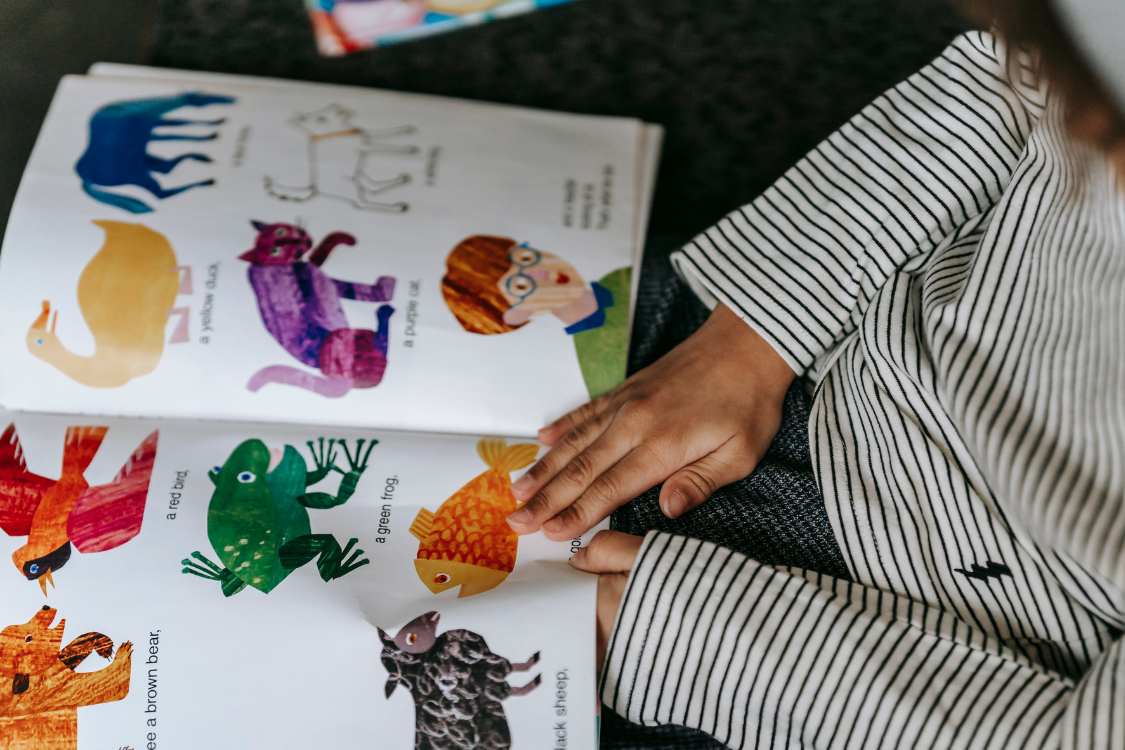
Methods of Effective Decoding in Reading
When children are learning to read, they must be taught how to “sound out” letters and blend them together to form words. If you’re a parent or teacher, for…

What is Phonics? An Introduction for Parents and Educators
Anyone who can read and write in an alphabetical language has mastered an important set of skills. They know the connection between letters and the sounds each…