
Tag
Phonics For Teachers
Articles tagged Phonics For Teachers.
72 articles

Phonics Manipulatives That Beat Any Screen
A set of letter tiles. A tray of sand. A stack of index cards. None of these cost much, and none of them require charging. Yet when used with intention inside…

What to Look for in a Phonics App Before You Download
There are thousands of phonics and reading apps available for kids right now, and most of them look convincing. Bright colors, animated characters, cheerful…

Audiobooks and Phonics: Helpful Supplement or Decoding Shortcut?
Ask a room full of parents whether audiobooks “count” as reading, and you’ll get a sharply divided answer. Some swear by them as the thing that finally got…

AI Tutoring Apps and Phonics: Promising or Problematic?
AI-powered reading tools have moved from novelty to a common fixture in classrooms. By 2026, adaptive phonics apps and AI reading tutors are in widespread use…

Sight Words and Phonics: Friends, Not Enemies
If you’ve spent any time in early literacy circles, you’ve probably noticed something strange: people argue about sight words. One camp says memorizing sight…
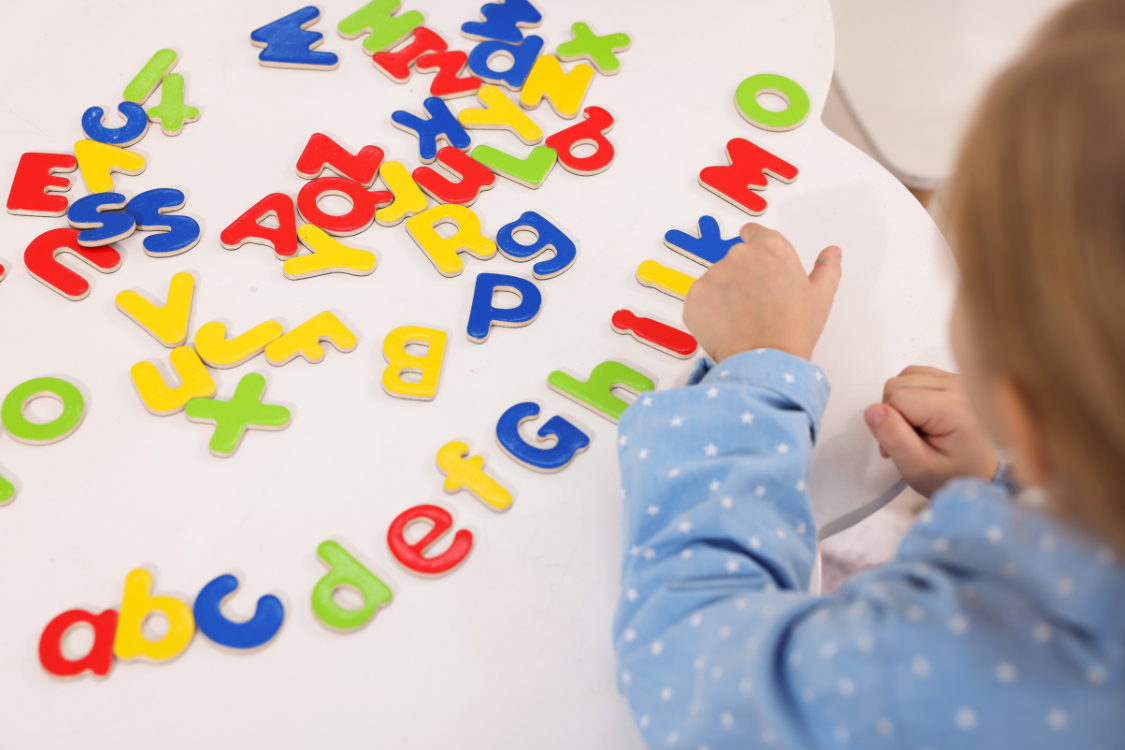
Word Sorting: The Low-Tech Phonics Strategy with Big Results
Among kindergarten teachers, word sorting holds a quiet kind of reverence. It asks for nothing more than a small pile of word cards and a child willing to look…

Dictation as a Phonics Tool: Why Writing Reinforces Reading
Most parents and teachers think of reading and writing as separate skills taught at different times of day. Reading comes first, the thinking goes, and writing…

Cumulative Review in Phonics: The Strategy Most Programs Skip
When a child learns the short /a/ sound on Monday, blends CVC words on Tuesday, tackles digraphs on Wednesday, and then never returns to short /a/ again,…

Phonics Scope and Sequence: What It Is and Why It Matters
Imagine handing a child a jigsaw puzzle with no picture on the box and no guidance about where to begin. A few kids might figure it out eventually, but most…

How to Structure a Phonics Lesson From Start to Finish
Here’s something that might surprise you: the order of a phonics lesson matters almost as much as the content inside it. A child who sits down for 20 minutes…

Progress Monitoring in Phonics: What Parents Should Be Asking Schools
Most parents only hear about reading problems when it’s already late in the game. A vague comment at a parent-teacher conference, a worrying score on a state…

Small Group Phonics Instruction: How to Make It Work
Walk into any effective elementary classroom during literacy time, and you’ll likely see something that looks a bit like organized chaos. A teacher works…

What a Good Phonics Screener Actually Measures
If your child’s school sent home a note about an upcoming “phonics screener,” you might have felt a flash of worry. Is it a test? Will my child pass or fail?…

Why Decodable Books Matter More Than You Think
Your child has been learning letter sounds for weeks. They can tell you that “s” says /s/ and “a” says /a/ and “t” says /t/. Then you hand them a picture book…
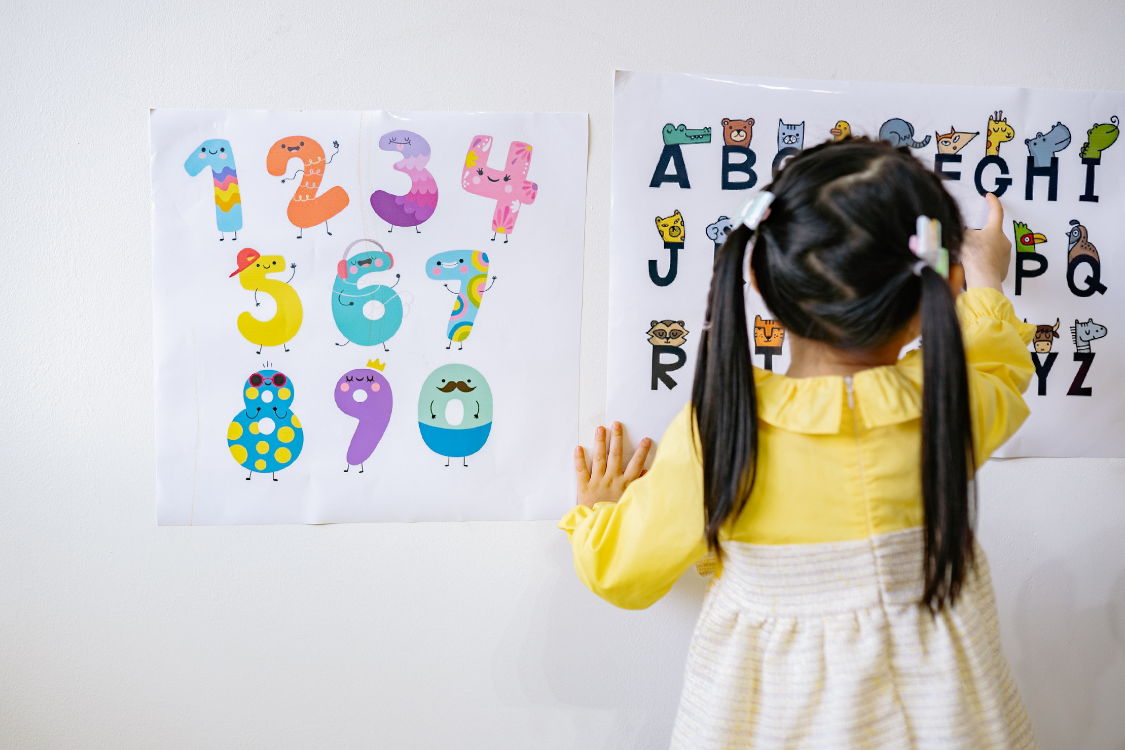
The Alphabetic Principle: The One Concept That Changes Everything for Both Teachers and Parents
Right now, you’re reading these words without thinking about how you’re doing it. Your brain is instantly converting letters into sounds and sounds into…

Fluency Is Not a Bonus Skill: Why Reading Rate and Accuracy Matter
Most parents celebrate when their child can sound out words on a page. That’s a huge milestone. But here’s what often gets overlooked: decoding is not the…

Adopted Children and Phonics: Addressing Gaps from Disrupted Early Language Exposure
Before a child ever sees a letter on a page, their brain is already building the architecture for reading. It happens through thousands of hours of being…

Phonics for Students with Visual Processing Difficulties
Your child passed the eye exam with flying colors, but they still mix up “b” and “d,” lose their place on the page, and get frustrated every time they sit down…
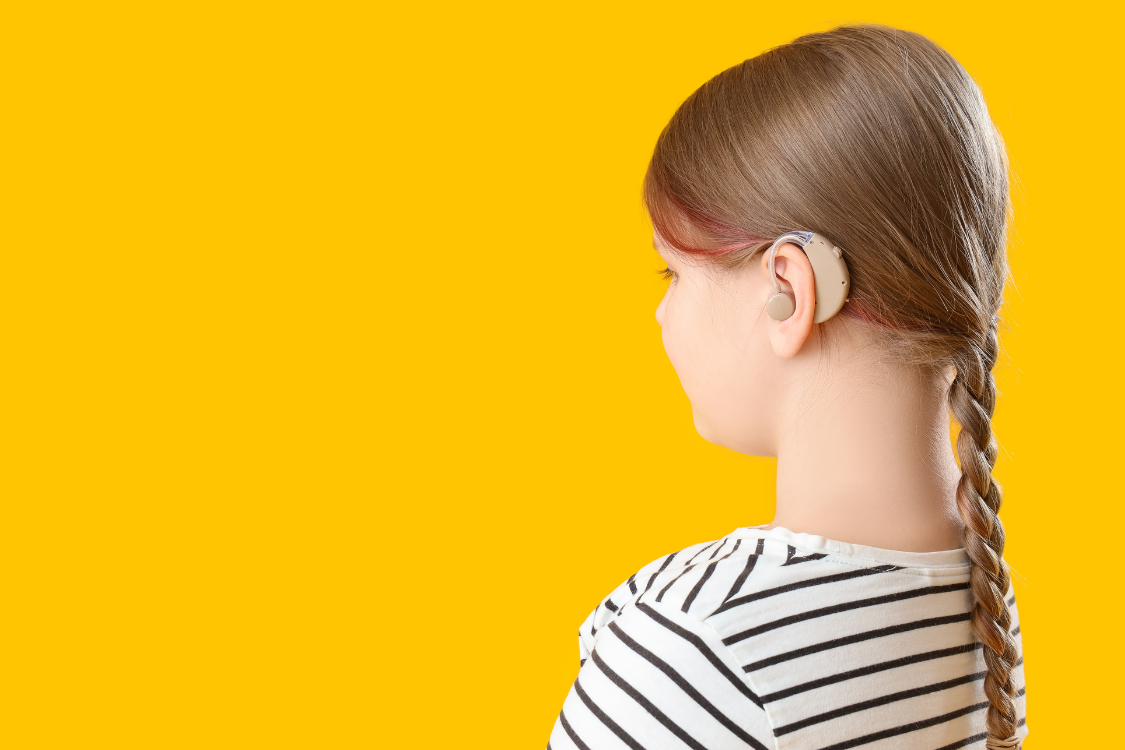
Teaching Phonics to Students with Hearing Loss
Most people assume phonics and hearing loss don’t belong in the same sentence. After all, phonics is about sounds, and hearing loss means limited access to…

Administrative Support for Phonics Programs: What Leaders Need to Know
School administrators face an enormous challenge. Reading scores have declined, the achievement gap persists, and teachers are stretched thin as they try to…

Parent Pushback: Addressing Concerns About Phonics Instruction
You’ve just announced that your school is implementing a new systematic phonics program. You expect relief. After all, reading scores have been declining, and…

When Phonics Rules Don’t Work: Teaching Exception Words Systematically
You’ve been working hard with your child on phonics. They’re blending sounds beautifully, sounding out “cat” and “ship” with confidence. Then they encounter…

Why Most Teachers Weren’t Taught to Teach Phonics
If you’re a parent whose child is struggling to read, you might wonder why their teacher seems uncertain about phonics instruction. It’s a fair question, and…

Phonics First vs. Sounds-Write: Comparing Synthetic Phonics Programs
You’ve done your research. You understand that systematic synthetic phonics is a typical standard for teaching reading. You know your child or students need…

Right to Read Laws: What Parents and Educators Need to Know
The Right to Read Act, introduced in Congress, is an effort by lawmakers to address gaps in literacy instruction and library access. While legislation always…

ELL Students and Phonics: Understanding Sound System Differences
Maria’s kindergarten teacher noticed something puzzling. The bright five-year-old could identify every letter in the alphabet and knew most of their sounds.…

Phonics Professional Development: Programs That Actually Work
It’s 3:30 on a Friday afternoon. Thirty exhausted teachers file into the library for mandatory professional development on phonics instruction. A consultant…

Teaching Phonics to Specialized Populations: Adapting Instruction for Every Learner
Your third grader still struggles to decode simple words. Your English language learner confuses similar sounds. Your high schooler avoids reading aloud at all…
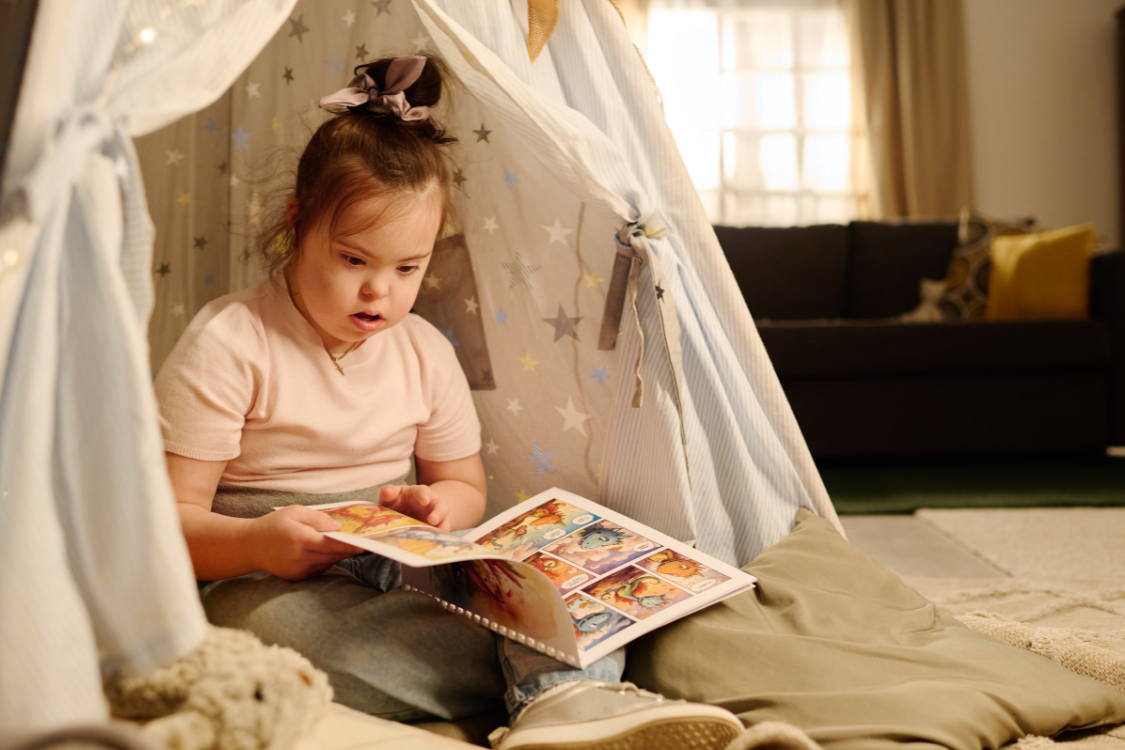
Teaching Phonics to Students with Down Syndrome
Imagine it: a child with Down syndrome proudly reading their favorite book aloud, pointing to each word with growing confidence. This isn’t just a hopeful…

Gamification in Phonics: What Motivates Students?
Your kindergartener rushes to the tablet each morning, eager to earn more badges in their phonics app. Two months later, they barely glance at it. What…

Morphophonemic Awareness: The Missing Link in Upper Elementary
Your fourth grader breezes through simple stories but stumbles over science textbooks. She can decode “cat” and “jump” perfectly, but falls apart when facing…

Memory and Phonics: Why Some Kids Forget Letter Sounds
Your child confidently identifies the letter M on Monday. By Wednesday, they stare at the same letter as if they’ve never seen it before. You wonder if you’re…

Organizing Your Home Reading Space for the New Year
January brings fresh energy and clean slates. You’ve organized closets, cleared out old toys, and maybe even tackled that junk drawer. But have you looked at…

Setting Realistic Phonics Milestones for Your Child
New Year’s resolutions aren’t just for adults. January offers the perfect opportunity to set meaningful reading goals for your child. The key isn’t setting…

Phonics Training Events and Conferences in 2026: Your Complete Guide
2026 brings an exceptional lineup of professional learning opportunities for educators committed to evidence-based phonics instruction. Whether you’re a…

Holiday Books With Good Phonics Practice: 10 Festive Reads for Emerging Readers
The twinkling lights are up, cookies are baking, and your eager young reader wants to dive into every holiday book on the shelf. But here’s the wonderful…
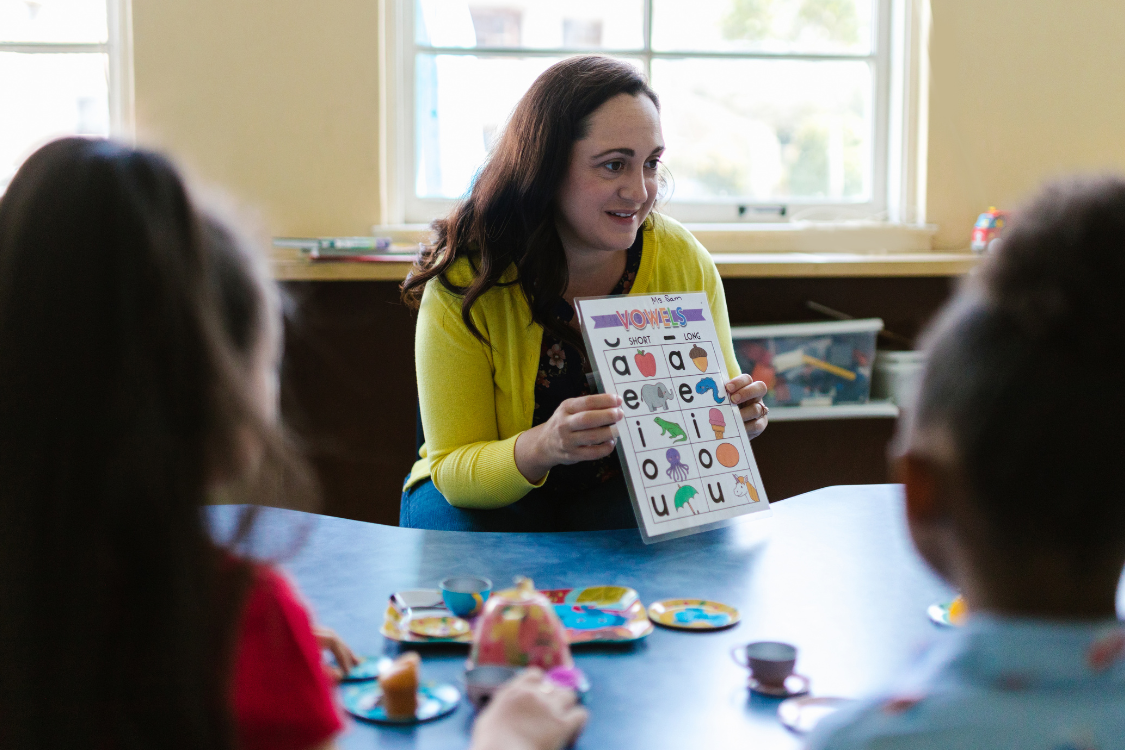
Phonics Professional Development: Programs That Actually Work
Rachel teaches first grade in a suburban elementary school. Last year, she watched five of her students struggle through every reading lesson while their…

Homeschool Phonics: Choosing and Implementing Programs
You open the package with equal parts excitement and dread. Inside sits your investment in your child’s reading future: workbooks, lesson plans, manipulatives,…

Phonics Plateau: Why Some Students Stop Progressing
Your child was making steady progress. Each week brought new letter sounds, longer words, and growing confidence. Then suddenly, nothing. The forward momentum…

Can Word Games Like Bookworm Support Literacy Development?
Your child loves playing Bookworm on your tablet. They’re making long words and racking up points. You’re wondering: Is this actually helping them learn to…

Reading Mastery vs. Saxon Phonics: Which Delivers Better Results?
Imagine two classrooms down the hall from each other. Same grade level, similar student demographics, but strikingly different reading outcomes by mid-year.…
 Review
 Imagine Learning Digital PreK-8 Literacy Suite Review
A Comprehensive Platform That Emphasizes Language Development Alongside Literacy Skills Are you curious about how other literacy apps measure up? Check out the…

Why Some Reading Programs Are Abandoning Phonics (And Why That’s Wrong)
Walk into some elementary school classrooms today and you’ll witness a troubling trend. Teachers are putting away phonics workbooks. Reading programs are…

Debunking ‘Natural Reading’: Why Phonics Isn’t Optional
A well-meaning parent watches their 4-year-old “read” their favorite bedtime story word-for-word, flipping pages at just the right moments. The child has…

The 2025 National Reading Panel Update: What’s Changed in Phonics Research?
Has our understanding of phonics instruction changed since the landmark National Reading Panel Report of 2000? What does the latest research tell us about the…
 Review
 Lexia Core5 Reading App Review
A Research-Backed Powerhouse for Elementary Reading Instruction Are you curious about how other literacy apps measure up? Check out the other detailed literacy…

Homework Battles: Making Phonics Practice Peaceful and Productive
Five-year-old Jake loves learning at school, but the moment his phonics worksheet appears at home, tears begin. Sound familiar? Many families struggle with…

8 Tips to Prevent Summer Reading Loss
The last day of school arrives with excitement and relief, but lurking beneath the summer fun is a concern that keeps many parents awake at night: Will my…

ADHD and Phonics: How to Maintain Focus During Reading Instruction
Your energetic six-year-old sits down for phonics practice, excited to learn new letter sounds. Within minutes, they’re fidgeting, looking around the room, and…

Phonics Catch-Up: Helping Older Elementary Students Fill the Gaps
When nine-year-old Marcus sits down with his fourth-grade chapter book, he looks confident and ready. But after just a few sentences, frustration creeps across…

Third Grade Reading Crisis: Why This Year Makes or Breaks Literacy
A classroom full of third graders opens their science textbooks, ready to learn about butterflies and volcanoes. But for many eight-year-olds, the words might…

Phonological Awareness vs. Phonics
Did you know that before children can successfully crack the reading code, they must first develop the ability to hear and manipulate the invisible sounds that…

Phonics and Executive Function
Here’s something that might surprise you: when your child sits down to sound out the word “cat,” their brain is performing an intricate dance that involves far…

What Are Graphic Novels? Connecting Visual Storytelling to Phonics Instruction
Picture this: Your reluctant reader who struggles with phonics suddenly can’t put down a book. They’re engrossed, sounding out words, making predictions, and…

Nursery Rhymes as Phonics Tools
Did you know that the nursery rhymes you loved as a child could be powerful reading tools? Those catchy, sometimes silly verses that have entertained children…

Vocabulary Development: How Phonics Builds Word Knowledge in Early Readers
The excited squeal of “I know that word!” from your child during storytime. The confident way they incorporate a newly learned term into dinner conversation.…

The Ultimate Master List of Phonics Books: Organized by Reading Skills
Picture this: Your child’s eyes light up as they successfully sound out a word in their favorite storybook. That magical “I did it!” moment happens not because…

Reading Comprehension Strategies: Building on Phonics Foundations
Ever watched your child perfectly sound out every word in a story, only to have them stare blankly when you ask what the story was about? You’re not alone.…

Supporting Diverse Learners in Phonics Instruction
Every classroom contains a unique tapestry of learners, each bringing their own strengths, challenges, and experiences to the process of learning to read. As…

Evidence-Based Differentiation Strategies for Phonics Instruction
Teaching phonics effectively means reaching every student in your classroom, regardless of their reading level or learning style. While research clearly shows…

Phonics for Dyslexic Students: A Teacher’s Guide
As educators, supporting students with dyslexia requires a deep understanding of evidence-based phonics instruction. Research consistently shows that…

The Reading-Writing Connection: A Research Review
The relationship between reading and writing instruction has undergone a significant transformation in American education over the past century. Historically,…
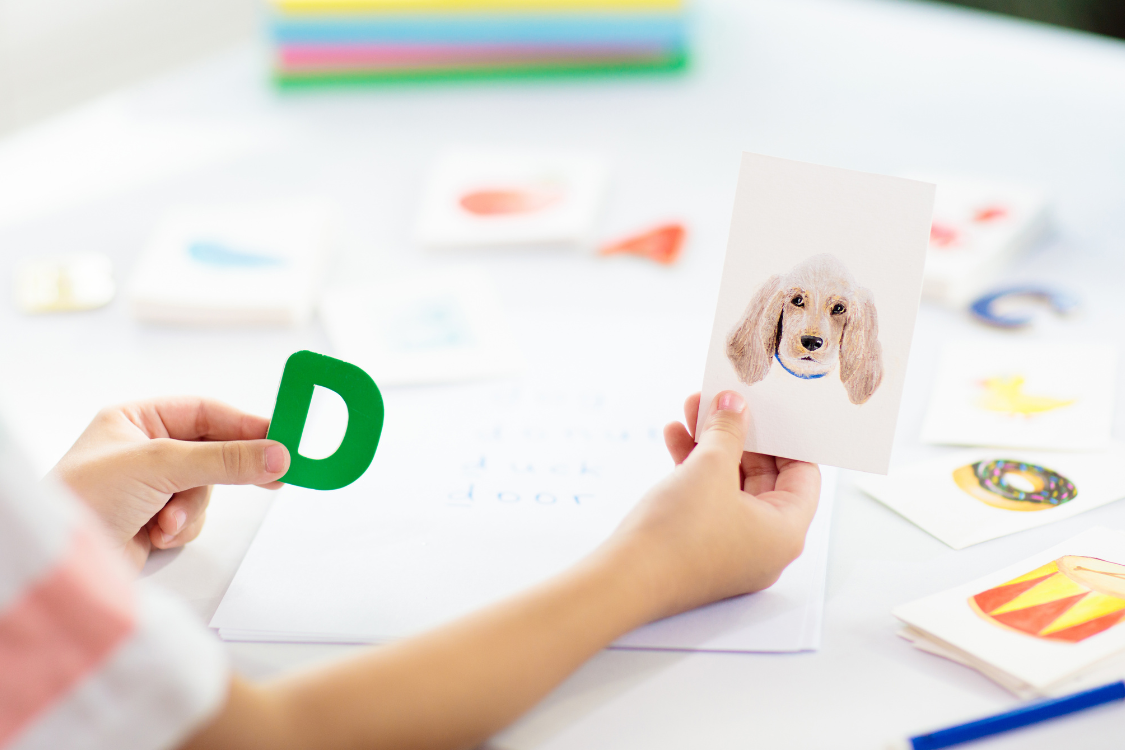
The Connection Between Phonics and Spelling: Building Both Skills Together
Learning to read and write are two sides of the same coin. While many parents and teachers might focus on phonics and spelling as separate skills, teaching…

Phonics for EAL: Instruction Methods
As one of the most widely-spoken languages in the world, English continues to be an additional language learned by many. In 2021, more than 10% of public…

Teaching Phonics for Writing Skills
Phonics is the basis of reading instruction. But it’s also equally as important for kids to develop writing skills! Knowing alphabetical letter-sound…

How to Help Kids Start Reading Multisyllabic Words
Learning how to read multisyllabic words is a big milestone during a child’s phonics instruction. It’s a beginner’s bridge between basic phonics and more…

How to Compare Phonics Reviews and Choose the Best Program
If you’re a teacher or parent of young readers, you’ve likely faced the overwhelming number of educational programs and apps on the market today. How do you…
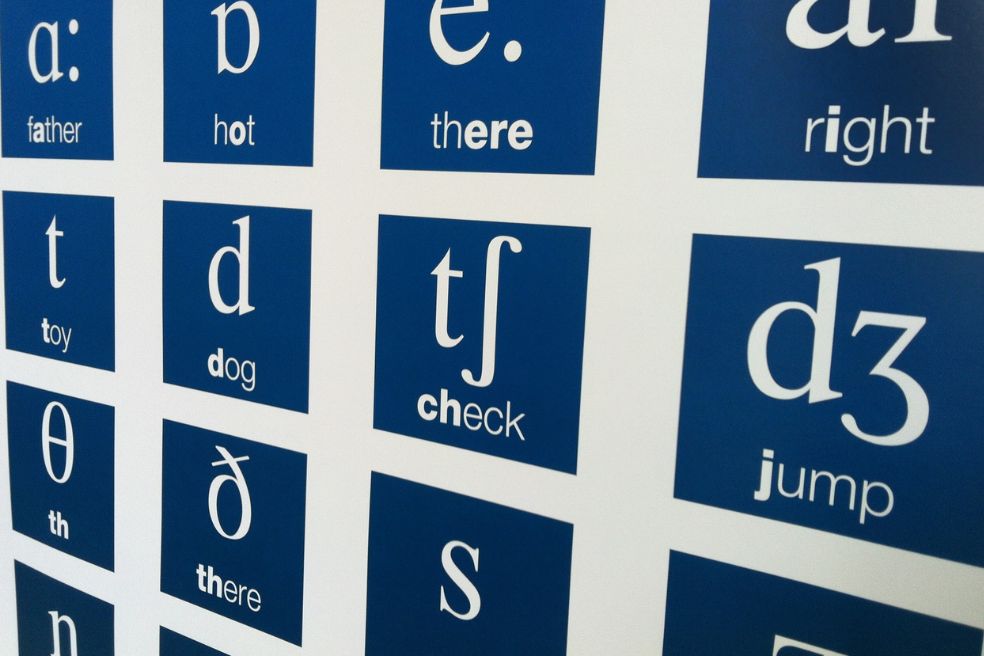
Phonetic Sounds in the English Language
Have you ever wondered why the English language can be so complex? While there are only 26 letters in the English alphabet, there are 44 variations of sounds…

Making Phonics Stick: Help Kids Learn Essential Literacy Skills
Sometimes, it seems like no matter how much you practice with your child or student, they aren’t grasping phonics concepts. Maybe you repeatedly teach your…

10 Tricky Phonics Rules to Understand
The more advanced children become at reading, the more complex certain phonics rules become. It can be frustrating (not to mention confusing) when kids learn…
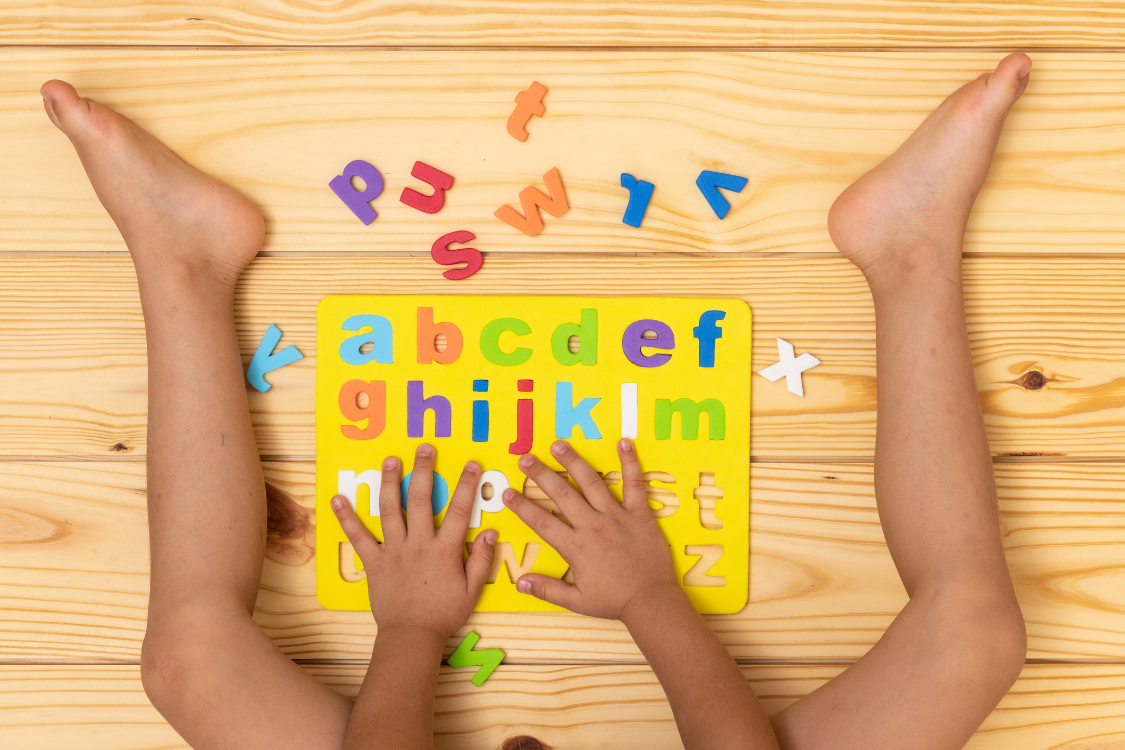
A Guide to Teaching Letter Sounds Effectively
Knowing the connection between letters (graphemes) and sounds (phonemes) is one of the first concepts your child will have to grasp as they begin their reading…

What is Phonics? An Introduction for Parents and Educators
Anyone who can read and write in an alphabetical language has mastered an important set of skills. They know the connection between letters and the sounds each…